The winemaking wealth of southern Spain is an internationally acclaimed treasure. To speak of Andalusian wines is to enter a universe of nuances, tradition, and production processes that are unique in the world, heavily shaped by the climate, the albariza soil, and the passage of time. Within this vast selection, fortified wines hold a place of honor, serving as true emblems of Andalusian culture and haute gastronomy.
At Tragabuches, we have an unwavering commitment to this tradition, bringing the authentic essence of the south to the capital. In fact, our dedication to traditional recipes recently earned us recognition from the prestigious publication The Daily Telegraph, which highlighted our concept by noting that we offer the best menu of the day in Madrid. And there really is no better way to accompany a good stew or an Andalusian fry-up than with a glass of the right wine.
To help you know exactly what to order the next time you visit us, this article breaks down the secrets of three of our homeland’s most representative jewels: Finos, Manzanillas, and Amontillados.
The Miracle of Aging: Biological vs. Oxidative
Before diving into the specifics of each type of wine, it is essential to understand how they are made. The big secret behind these magical wines lies in their aging system (the traditional criaderas and soleras system) and in oxygen.
On one hand, we have biological aging. Here, the wine ages under what is known as the velo de flor (veil of flor), a layer of native, natural yeasts that forms on the surface of the wine inside the oak cask. This veil protects the liquid from oxidation and imparts highly unique aromas. On the other hand, oxidative aging occurs when this veil does not exist or disappears, allowing the wine to come into direct contact with oxygen. This gradually darkens its color and adds toasted, mature notes.
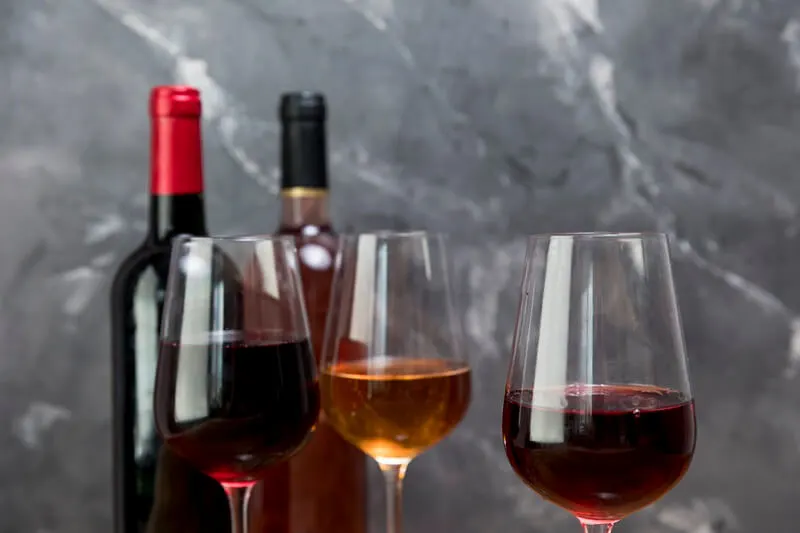
Key Differences to Choose Your Perfect Wine
Below, we break down the keys to distinguishing the three great stars of our cellar.
Fino: The elegance of the flor and the Sherry terroir
Fino is a dry white wine, made primarily from the Palomino Fino grape variety. It ages entirely under the biological aging system in the historic bodegas of the Marco de Jerez and El Puerto de Santa María.
- Color: It features clean tones ranging from straw yellow to pale gold.
- Aromas: Sharp, pungent notes quickly stand out. Aromas of raw almonds, fresh bread dough, and subtle herbaceous touches predominate.
- On the palate: It is a very dry, light, and fresh wine with a nutty, almond-like finish that cleanses the palate, inviting you to take the next bite.
Ideal pairing: It is the perfect companion to enhance a good acorn-fed Iberian ham (jamón ibérico de bellota), seafood, and all kinds of traditional tapas. If you are looking for an excellent menu of the day in Madrid for your midday break and want to pair it with a well-chilled Fino, we encourage you to quickly secure your table in our dining room and let yourself be surprised by our roots-driven cuisine.
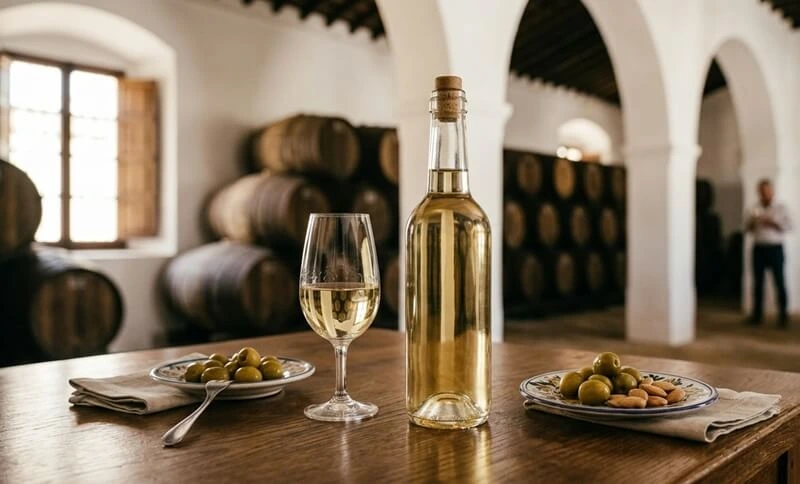
Manzanilla: The unmistakable saline touch of Sanlúcar
Although it shares practically the same production base as Fino (Palomino grape and biological aging under the velo de flor), Manzanilla enjoys its own exclusive Designation of Origin: it can only be aged in Sanlúcar de Barrameda.
The unique microclimate of Sanlúcar, influenced by the mouth of the Guadalquivir River and the Atlantic breeze, makes the velo de flor much thicker and more consistent throughout the year. This gives it a fascinating, powerful personality.
- Color: Very pale yellow, bright, and luminous.
- Aromas: Its aromatic profile is sharp but considerably more floral than Fino. It has distinct notes of chamomile (camomila) and an unmistakable sea breeze.
- On the palate: It is very fresh, dry, and delicate, standing out for its saline and slightly bitter finish.
Ideal pairing: Oysters, the famous king prawns (langostinos), gazpachos, and clean fried fish (frituras). Every morning, many people wonder where to eat a menu of the day in Madrid that includes fresh, expertly handled seafood; the answer is always better when served alongside a glass of Manzanilla.
Amontillado: The best of both worlds
Amontillado is, without a doubt, one of the most fascinating and versatile wines of Andalusia because it magically combines both types of aging. Its life always begins as a Fino or a Manzanilla. After a few years under the velo de flor, the veil fades away, starting a second phase where the wine ages in direct contact with oxygen (oxidative aging).
- Color: Its tone ranges from light amber to mahogany.
- Aromas: It is extremely complex on the nose. It smartly blends the sharp notes of its biological stage with intense aromas of toasted hazelnuts, fine woods, and spices.
- On the palate: It is a wine with great structure, dry, with a very balanced acidity and an exceptionally long aftertaste.
Ideal pairing: It pairs perfectly with hearty dishes: white meats, bluefin tuna, highly cured cheeses, and traditional stews. If you work in the area and are wondering where to eat a menu of the day in central Madrid that offers the perfect comfort food dishes for an Amontillado, Tragabuches is your home. And if you are looking to gift this experience to a loved one or enjoy a more extensive tasting format, you can explore our exclusive gastronomic experiences in the capital to savor the south with all five senses.
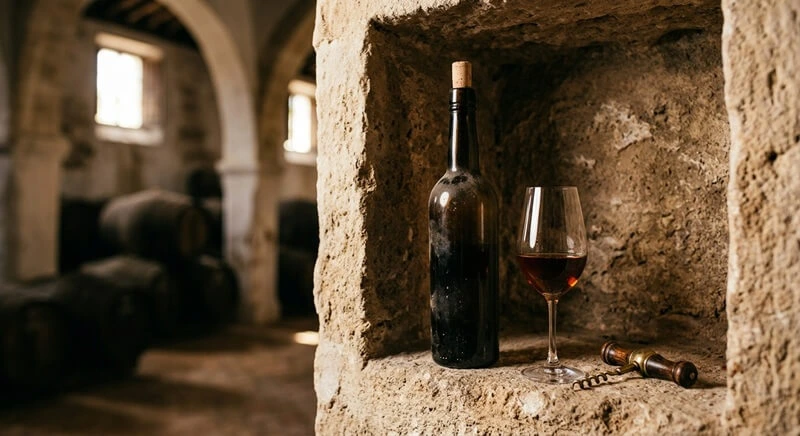
Ultimately, Fino, Manzanilla, and Amontillado are bottled treasures that deserve to be discovered without rushing, in good company, and, of course, with the finest gastronomy on the table.