The world of raw dishes has captured palates around the globe, becoming an essential pillar of contemporary haute cuisine.
Within this trend, international techniques such as ceviche, tartare, and tiradito stand out for their unique ability to highlight the purity, texture, and flavor of the seafood.
r the prestigious chef from Malaga, Dani García, these preparations are not mere traditional recipes; they represent a blank canvas ideal for capturing his unique concept of “traveling cuisine.” In his restaurants, these techniques are reinterpreted through a cosmopolitan lens that fuses Andalusian roots with the most vibrant flavors from around the planet.
If you wish to delve into this fascinating sensory journey, you can start by exploring the exclusive offerings from the team at BiBo Madrid, where raw products are transformed into a gastronomic experience full of dynamism, contrasts, and high technique.
Ceviche: The Citric Power of Leche de Tigre
Ceviche is, par excellence, the flagship dish of Peruvian gastronomy. Its main hallmark lies in the type of cut: the white fish or seafood is cut into medium, firm cubes, generally about two centimeters, which allows one to appreciate the smooth texture of the product in every bite.
The true magic of this dish happens through short maceration in leche de tigre (tiger’s milk), a citric emulsion based on lime, juices from the fish itself, cilantro, ají (chili pepper), and red onion.
In Dani García’s kitchen, the ceviche shuns the long acidic “cooking” times of the past; the goal is an instantaneous reaction to keep the heart of the piece completely semi-raw.
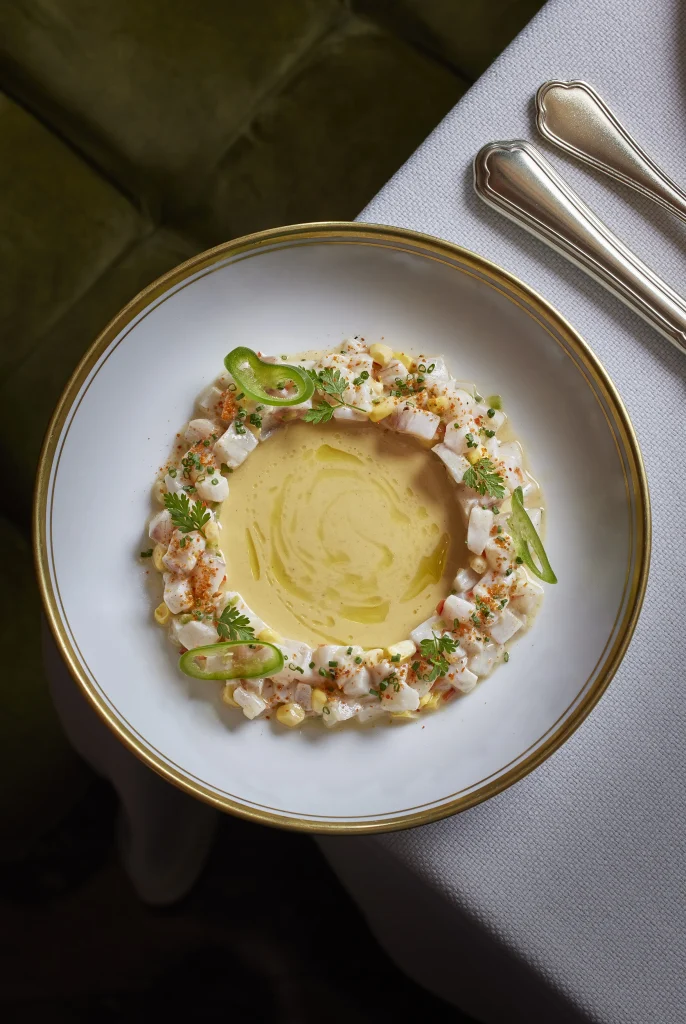
This technique achieves a perfect balance between sharp acidity, a spicy touch, and maximum freshness. It is an ideal option for hot days, providing a burst of energy on the palate that cleanses and perfectly prepares the taste buds for the following bites of the menu.
Tartare: French Precision and Unctuous Textures
Unlike ceviche, tartare has a European origin, firmly linked to the refined school of classical French cuisine. The technique demands millimeter precision in knife cutting, where the fish (such as the prized almadraba red tuna) or meat is minced into tiny, yet perfectly defined, cubes.
No acidic element is involved here to modify or “cook” the structure of the protein. The secret to an extraordinary tartare lies in its unctuous and emulsified dressing, which usually incorporates fatty and aromatic elements such as textured oils, egg yolk, capers, mustard, or selected spicy nuances.
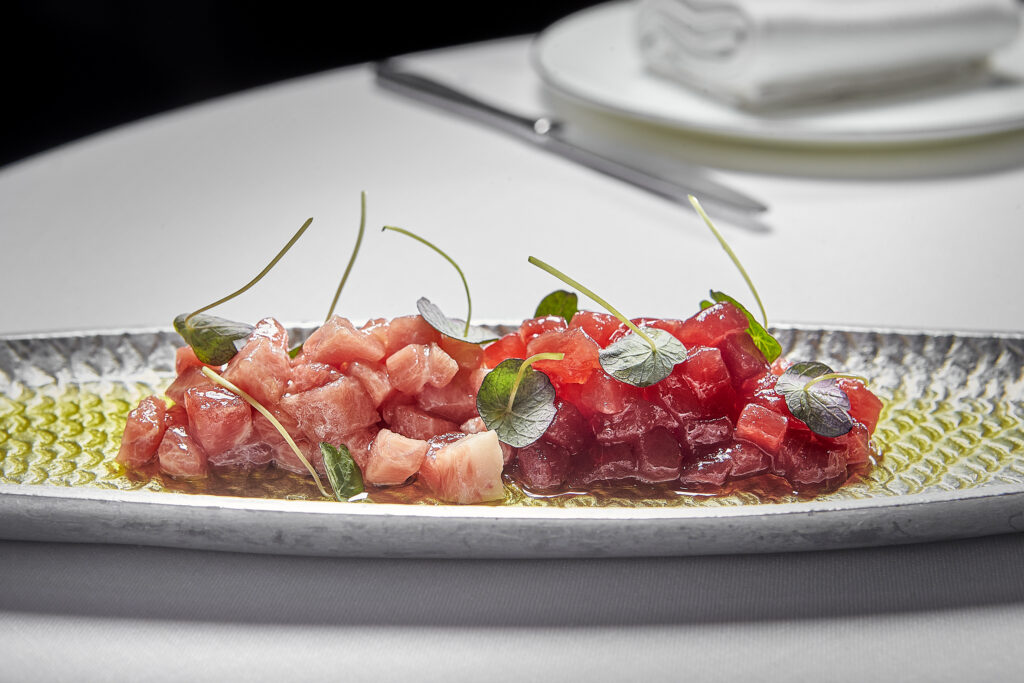
In Dani García’s vision, the tartare is synonymous with elegance and silkiness on the palate. By eschewing denaturing via acid, the natural flavor of the main product stands out clearly, wrapped in a subtle creaminess that turns every bite into an authentic gastronomic luxury.
Tiradito: The Subtle Encounter Between Peru and Japan
The tiradito is the purest reflection of Nikkei cuisine, that marvelous fusion born from the meeting of Japanese migration and the traditional pantry of Peru.
Although it shares the use of acidic and spicy dressings with ceviche, its technical execution and aesthetics place it in an entirely different universe.
In the tiradito, the fish is cut into thin, delicate slices, perfectly mimicking the ancient art of Japanese sashimi. Furthermore, unlike its Peruvian relative, this sophisticated preparation completely omits red onion from its composition, seeking a much cleaner and more focused flavor profile.
Another great difference is the contact time with the dressing. While ceviche is mixed beforehand, the ají amarillo cream or the citric dressing of the tiradito is poured over the fish just before serving.
This ensures that the thin slice keeps its original texture intact, melting instantly in the mouth.
Dani García’s Traveling Perspective at BiBo
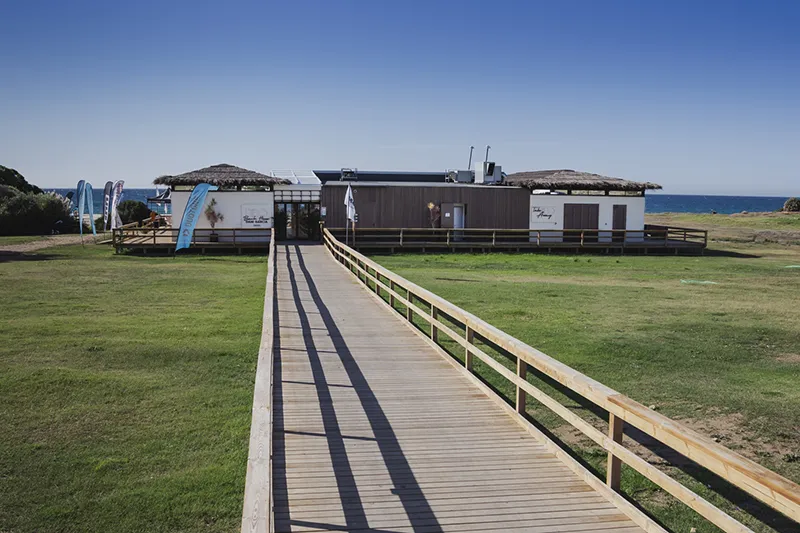
To understand these differences in all their splendor, there is nothing better than seeing how they coexist on the same menu under the chef’s unmistakable seal. The Beach House concept that you can find at BiBo Tarifa is the idyllic setting to enjoy these seafood preparations, where the beach environment enhances the freshness of each dish.
Dani García uses these three culinary disciplines to take the diner on a journey without moving from the table. While a tuna tartare pays homage to the spectacular Andalusian coast with international nods, a well-executed tiradito or ceviche transports the senses directly to the streets of Lima or the sushi bars of Tokyo.
The key to success in BiBo’s proposal is absolute respect for timing and temperatures. Each cut is executed fresh, and each emulsion is balanced with precision so that the acidity, heat, and fat add to rather than mask the quality of the fresh fish.
Where to Experience the Culinary Journey Live?
If you are planning your next gastronomic route through the capital and wish to fully immerse yourself in this game of cuts and dressings, the cosmopolitan bar at BiBo Madrid awaits you with its doors open to offer you an unforgettable evening full of rhythm.
On the other hand, if you prefer to enjoy haute cuisine in a relaxed, free atmosphere with your feet practically on the sand, the summer proposal at BiBo Tarifa is the perfect destination to combine the sun, the levante wind, and the best raw seafood gastronomy of the south.
Now that you know the technical secrets that differentiate ceviche, tartare, and tiradito, all that remains is to choose your favorite technique and let yourself be seduced by the culinary magic of one of the most international signatures of our cuisine.