Blog Dani García Group | Grupo Dani Garcia

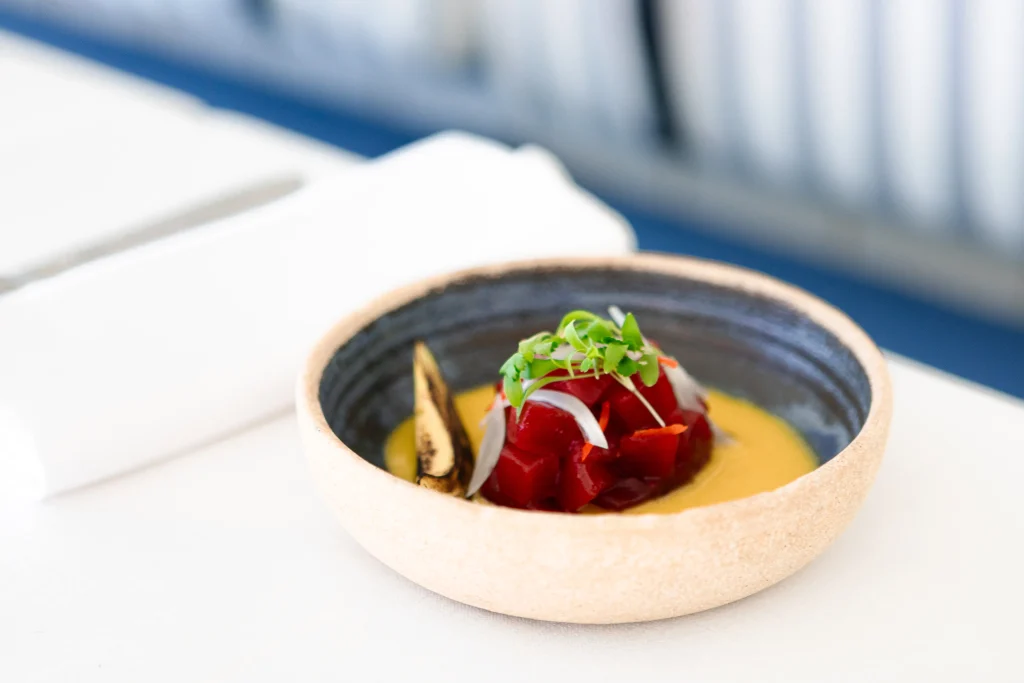
At Tragabuches, we’re about to take a new turn. An elegant one, deeply Andalusian and with the flavor of the land. Tradition, KM0 and Andalusian flavor: this is how Tragabuches reinvents itself.

Starting July 9 in Marbella and July 16 in Madrid, we’re saying goodbye (just a little) to the traditional menu. But Andalucía, local ingredients and soulful recipes remain the true stars.

A journey back to our roots, without leaving the table

Tragabuches was born to pay tribute to who we are. To the olive oil that tastes like sunshine. To the tomatoes that smell like garden. And to the stew that begins with a slow-cooked sofrito. Because luxury lies in simplicity. In freshly baked bread. In cold gazpacho that tastes like childhood. And in that stew that smells like grandma’s kitchen.
So, who was Tragabuches?

For those who don’t know, Tragabuches isn’t just a name with flair. He was a bandolero. A true man of the mountains. A bullfighter, a flamenco singer, and a fugitive. Legend has it he killed for love, fled for passion, and lived singing along the roads. A legendary figure. Andalusian through and through. And if there’s something about him that inspires us, it’s not the crimes. It’s the authenticity. The freedom. The way he lived without asking permission. That’s how we cook here. Tragabuches is not just another restaurant. It’s a living tribute to Andalucía. To its history, its land and its way of gathering around the table.

The blackboard of the day: fresh, light, and with a southern soul

At Tragabuches, summer is written in chalk. And it tastes like the sea. Every day, our menu is refreshed with light, vibrant and flavorful dishes. No heavy meals or endless stews. Here, you come to eat well without sacrificing that summer feeling. With recipes that cool you down and ingredients straight from the port or the farm. The blackboard sets the rhythm. It changes depending on what the market offers, on what shines brightest at the fish market that morning. Because if there’s one thing we love at Tragabuches, it’s cooking what’s in season, when it’s at its best. And always with that subtle Andalusian touch. Light, but full of soul. Tragabuches reinvents itself through simplicity. Through product. Through tradition. KM0 and Andalusian flavor, served with elegance and a smile.

Fine dining with a backyard soul

Our guests are demanding. They appreciate great food. But they also seek authenticity. And that’s exactly what we serve. This new chapter isn’t any less sophisticated. Quite the opposite. It’s a luxury that doesn’t need to show off. A kind of elegance that comes from the land. Because that’s what Tragabuches has always been: a place where tradition is dressed in something new. But always with its Andalusian accent intact.

Andalucía, one bite at a time

This new concept is, above all, a love letter. To our land. To its flavors. And to the people who grow, fish, and create them. Every bite carries a piece of Andalucía. Every dish tells a story. And every day, that story changes just a little. Because tradition, KM0 and Andalusian flavor: this is how Tragabuches reinvents itself.
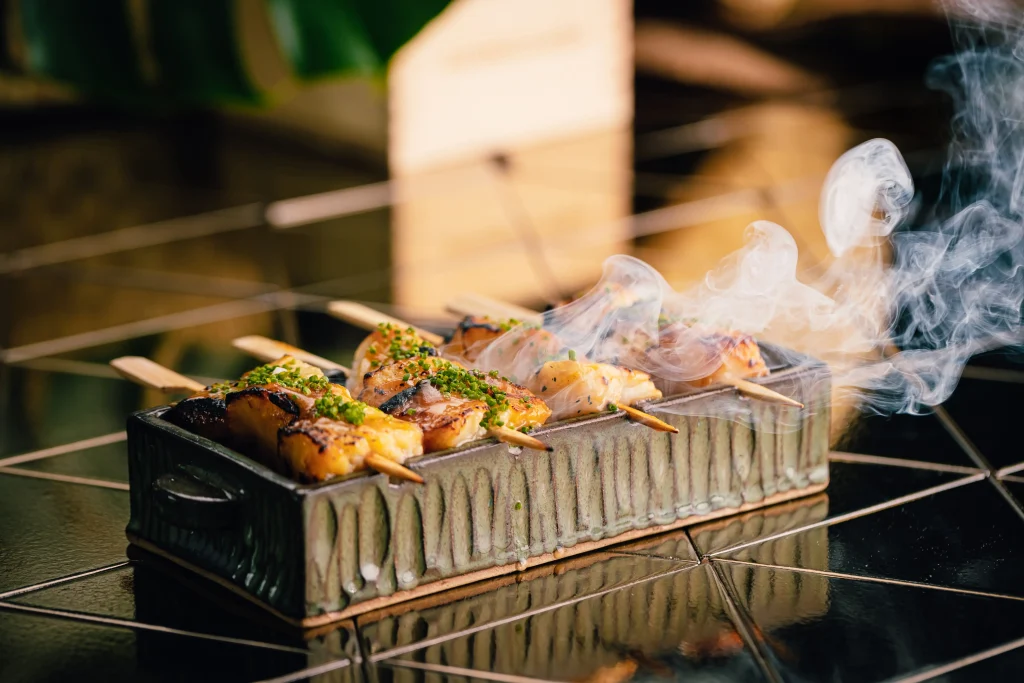
When the heat hits, there’s nothing like a good summer recipes by Grupo Dani García. And if there’s one thing Leña, Lobito de Mar, Tragabuches and BiBo have in common, it’s that they know how to embrace the summer season. Light, fresh and flavour-packed dishes.

Fresh is the new green

At BiBo Madrid, there’s a salad made with watermelon, tuna and crispy kale that’s refreshing, crunchy, dressed with a ponzu touch. Perfect to kick things off. If you’re in BiBo Tarifa, go for the bipolar tuna tartare with white soy. And while you’re at it, don’t miss the ceviche—zesty, delicate, and more refreshing than a fan pointed straight at your face.

At Leña, even in summer, you eat with gusto. The grilled Málaga avocado comes with young coriander pesto and a vegetable salpicón with feta cheese. There’s also a lovely tomato salad with green olive juice and mint. And for dessert? The “Espejismo” of stewed peach with basil, yogurt ice cream and orange zest.

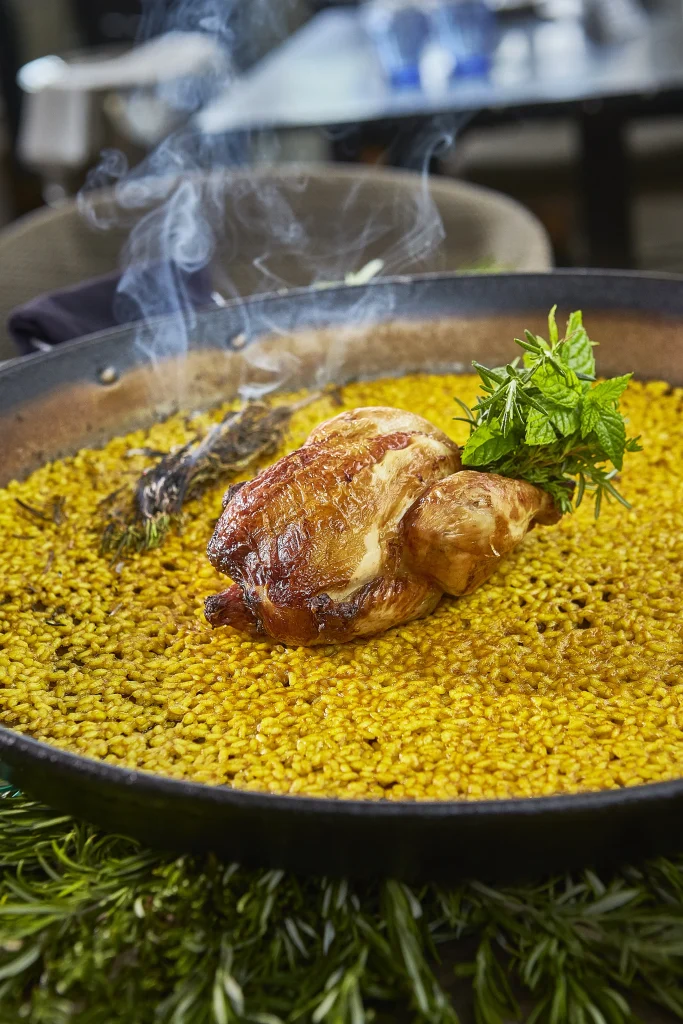
At Lobito de Mar, if you’re not ordering rice, you’re missing out. The Coquelet chicken rice is a classic, and the lobster one is simply unmissable. No need to complicate things. A good stock, perfect doneness and real seafood. That’s how summer should be enjoyed.

Cold soups with personality

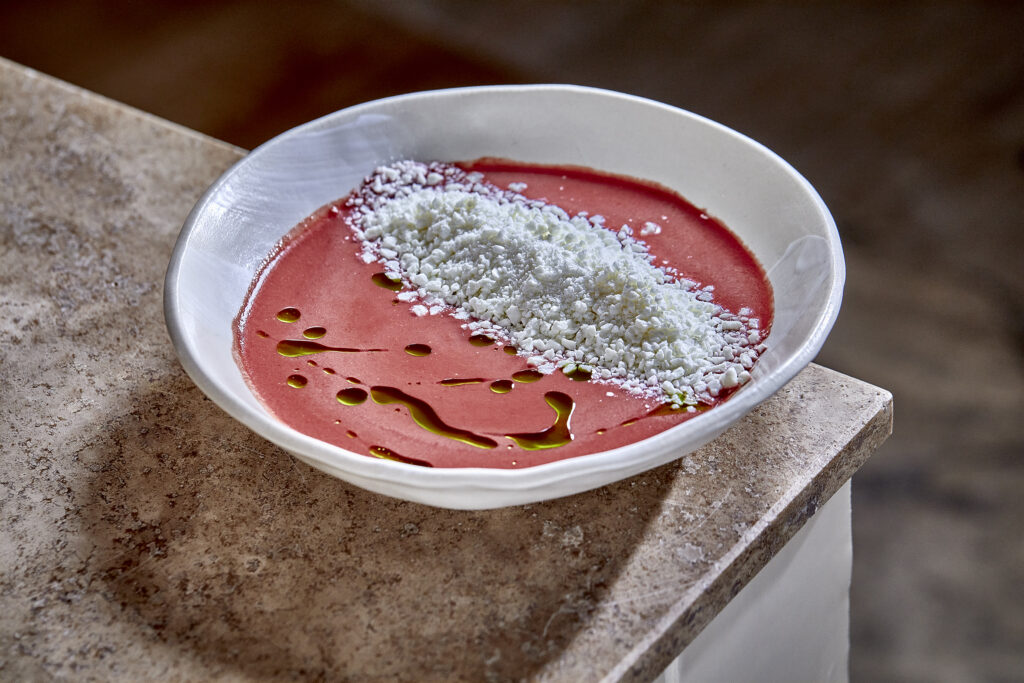
At Tragabuches, gazpacho isn’t red. It’s pink. The cherry version steals the show—cool, tangy, sweet, and finished with a drizzle of good olive oil. You can also go for the ever-reliable salmorejo. In summer, your body craves things like this. Cold soups, light and flavourful—textbook summer recipes packed with fruit, vegetables and freshness.

A sweet but light ending

After so many delicious dishes, it’s time for something chilled. At Tragabuches, there are always desserts to slow things down without knocking you out. The cheesecake is a timeless favourite.

At BiBo, there’s the Marbella sun—a dessert full of orange blossom, Marcona almond purée and orange cream that takes you straight to an Andalusian garden. Or head to Lobito de Mar and try the iconic Happy Hippo—fresh, sweet and creamy. Just the right note to end on a smile. And at Leña, the Tarta di Rose with ice cream is the perfect match for the heat of the grill.

Because yes, even desserts have their summer version. Lighter, fresher and, above all, easier to enjoy.

This summer, the flames of Leña Marbella welcome a new breeze—a blend of Dubai, Japan, Brazil, and Peru. From July 3 to 5, Dani García’s restaurant and SUSHISAMBA Dubai will showcase some of the most iconic dishes from their respective menus. As the highlight of this collaboration, on Wednesday, July 3, a four-hands tasting menu will be presented by Dani García and SUSHISAMBA’s resident Chef Lee, in an unmissable event for lovers of international fine dining.

This four-hands dinner features a tasting menu with over a dozen courses that merge Leña’s technique with SUSHISAMBA’s vibrant universe of flavors. Appetizers like chawanmushi with sea urchin, Kegani crab monaka, or scarlet prawn with brown butter and yuzu, and main dishes like hamachi tiradito, octopus anticucho, meatball yakitori with egg yolk, Chilean sea bass, lobster with yuzu kosho, or Leña’s iconic burger. The journey is a fusion of premium ingredients and a mix of Japanese, Latin, and Mediterranean techniques. For dessert, SUSHISAMBA will present a burnt cheesecake, while Leña will offer its signature tarta di rose as the perfect finale. Reservations are now open, and the menu with wine pairing is priced at €250 per person.

A touch of Asia in Spain

Three days of the collaboration with Leña, a selection of SUSHISAMBA dishes will be available à la carte. Hamachi tiradito, lobster tartare tacos, Chilean sea bass yakitori, salmon tartare on crispy nori with caviar, and Basque cheesecake.

This collaboration strengthens the international presence of Leña, which, with locations in Marbella, Madrid, Dubai, and Barcelona, continues to build bridges with global gastronomic leaders.

SUSHISAMBA, with iconic venues in London, Las Vegas, and Dubai, is one of the most globally recognized brands in fusion cuisine and contemporary luxury dining. Its arrival in Marbella from Dubai is also a bold statement about the city’s growing place on the international culinary map.

San Juan is not just fire and wishes thrown into the sky. But let’s be honest—making wishes is nice, eating your favorite dish is better. Some write down what they want to let go of and burn it. In Grupo Dani Garcia, we prefer to grill whatever needs grilling. The important thing is gathering with your people, sharing some laughs, and making sure the table is full—of food, not problems.

Between grilled meats, seafood, cocas, and rice dishes, San Juan feels more like a feast than a ritual. If you’re in Marbella or Madrid, any of these restaurants is the perfect meeting point. If you’re in Barcelona, watch out: at Leña Barcelona, tradition is taken seriously. Try the coca de llardons and raise a glass of cava, just like the night calls for.

Fire, sea breeze, and a well-served Coca

San Juan night is the perfect excuse to light a bonfire—or a grill. At Leña, for instance, the fire is controlled, but the vibe is anything but. Steak doesn’t need a ritual, just appetite. And ribs have more power than any spell.

But if the sea is more your thing, you don’t need to hit the beach and jump waves. At Lobito de Mar, in both Marbella and Madrid, summer is served by the portion. With a ceviche that awakens even the deepest desires and a rice dish that’ll make you forget there’s no bonfire.

And if you’re celebrating in Barcelona, the perfectly crisp coca de llardons is served with a glass of cava that goes down easy. You might not make a wish out loud, but chances are you’ll be thinking, “I hope this never ends.”

Wishes you can taste

Making three wishes in front of the fire sounds lovely, but at Tragabuches, it’s more about ordering off-menu. Here, wishes are something you chew on. Something you mop up with bread. Something served in a clay pot.

Traditional cooking has a touch of magic—especially when it’s made with depth, time, and love. On San Juan, it’s perfectly fair to ask for a stew, a rice dish, or a classic ensaladilla and feel like you’re exactly where you’re meant to be. No fireworks—just great food and even better wine.

At BiBo, on the other hand, San Juan is all about music, cold drinks, and eating without overthinking. Brioche, freshly made guacamole, something Japanese, something Andalusian. There are no rules here. Just improvisation, bold flavors, and sharing. Which is also a way of wishing for something new.

No bonfire needed when the meal lasts all night

People get serious about San Juan. Midnight swims, no looking back, handwritten wishes on recycled paper. We think you don’t need all that. Just a good table, friends nearby, and a long, lingering meal that stretches into the night.

And if you’re wondering where to book, remember: Leña, Lobito de Mar, Tragabuches, and BiBo are more reliable than any ritual. In all of them, the most basic wish comes true: eating well and having a great time.

Sometimes, the fire is in the kitchen. The magic is in the first bite. And new beginnings? In a good glass of wine—or cava, if you’re in Barcelona.

So this June 23rd, don’t throw your wishes into the sea. Lay them out on the table. And celebrate San Juan the right way: no rush, no rules, and with a full stomach.

There are words that, when put together, guarantee Mediterranean happiness: Lobito de Mar, Madrid, arroz. And now, with the new “A toda vela” menu, that promise is fulfilled, dish by dish. A proposal designed for those who enjoy the flavors of the sea at the table, Monday to Friday at lunchtime, without complications but with a lot of taste. At Lobito de Mar Madrid, A toda vela surprises with a selection of starters, mains, and dessert that combine tradition, originality, and top-quality ingredients.

A high-flying start

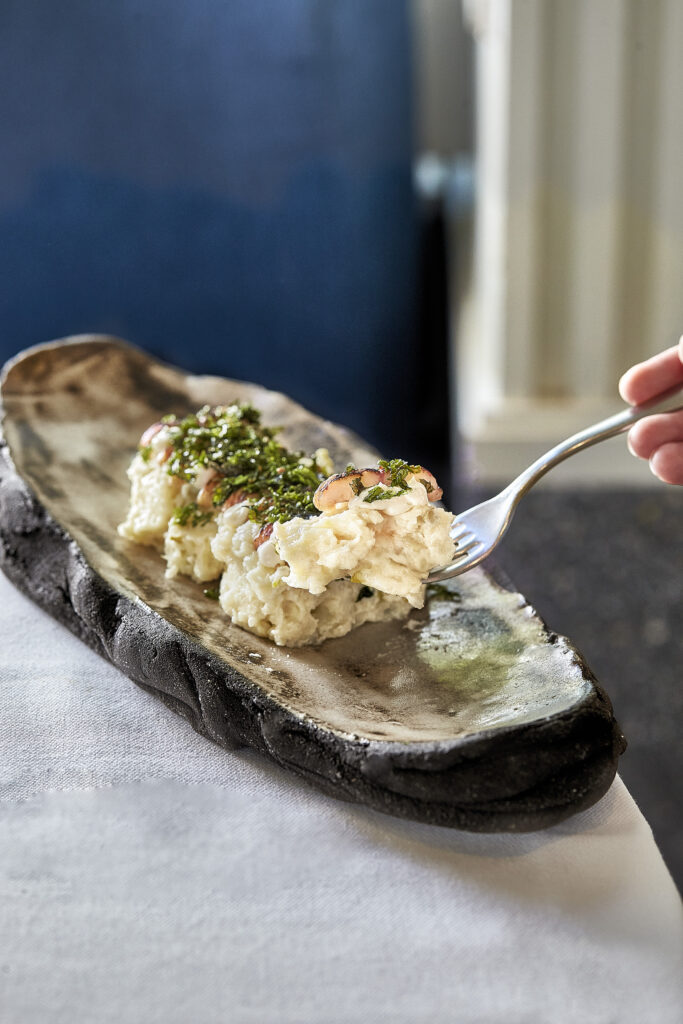
It all begins with a Russian salad topped with smoked eel. Yes, salad. But not just any salad. Creamy, flavorful, and with that smoky twist that changes everything. There’s barely time to blink—it’s gone before anyone can ask for seconds. Next up: a mix of croquettes, little flavor bombs where the classic and the marine come together. Then come the chirlas sautéed with manzanilla wine, the kind of dish that calls for bread and silence, with an aroma that speaks for itself. And to round things off, a baby tuna burger with lamb’s lettuce. Small, juicy, and perfectly balanced—clearly the result of a lot of testing to get it just right.

The decisive moment

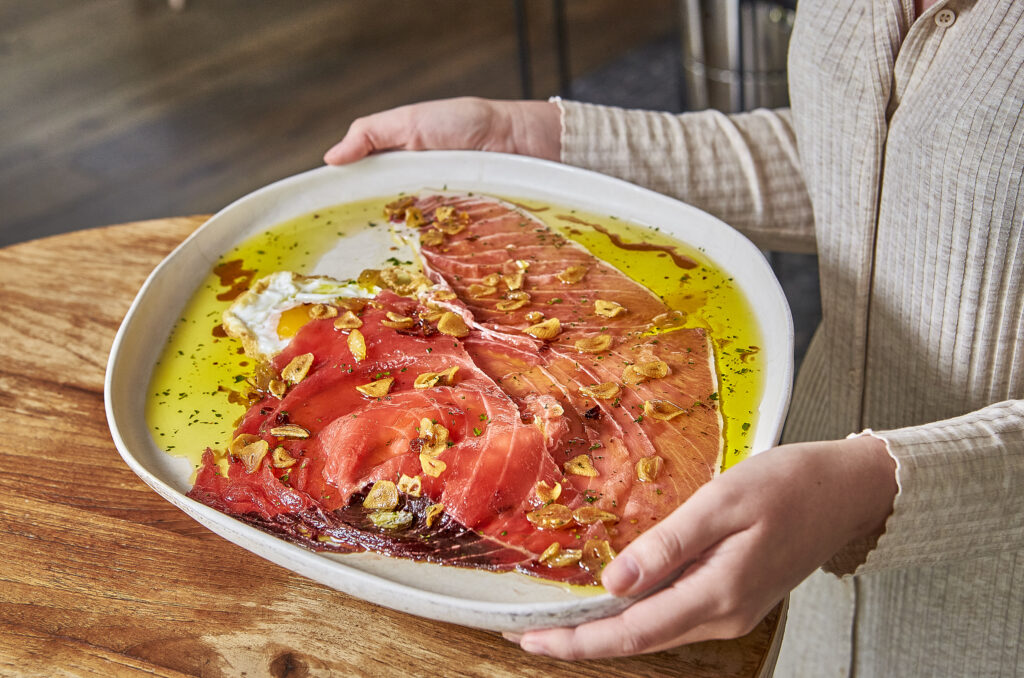
Now it’s time to choose. And it’s not easy. Four mains are battling for the spotlight. For fish lovers, there’s grilled sea bass loin, cooked to perfection with that crispy skin that crackles when you cut into it. Another option: tuna ribeye carpaccio with garlicky fried eggs. A surprising dish, full of texture, garlic aroma, and just the right amount of boldness to brighten your day. And of course, what can’t be missing from any equation involving Lobito de Mar, Madrid, arroz: the dry seafood and fish rice. Intense flavor, loose grains, and that deep, savory base that makes you close your eyes as you taste it.

A fourth contender steps up: arroz al sarmiento with coquelet chicken. That unmistakable smoky flavor you only get from real firewood, with tender, fall-apart chicken that’s full of flavor. The choice isn’t easy, but the result is always a win.

A glorious ending

And like any good menu, the ending lives up to the rest. A fresh cheesecake that puts the perfect finishing touch without overwhelming you. Light, creamy, and with that milky hint that brings back memories of the old-school kind—but with just the right touch to make you want to come back for it alone.

At Lobito de Mar Madrid, “A toda vela” is, at its core, a menu designed to bring the sea to your plate. For those who know that the best meals need no explanation—just good ingredients, a pleasant setting, and a team that understands soulful cooking. If one thing’s clear, it’s that with menus like this, satisfaction is guaranteed.

En Leña Barcelona, las brasas no son lo único que arde. A partir de las nueve y hasta la una de la madrugada, los viernes se transforman en un ritual incendiario donde el fuego se mezcla con ritmos que queman la pista. Barcelona tiene mil planes, pero solo uno lleva el nombre de Leña y la temperatura exacta para convertir tu viernes en el momento más salvaje del fin de semana. Leña Barcelona presenta su nuevo ciclo: Barcelona by Night. Cada viernes, DJ Akihiller Kiyani enciende la cabina, pero no lo hace solo. Se rodea de fieras. El 23, Alice Deren. El 30, Hermansen. El 6 de junio, Isma. El 13, Dark Feel. El 20, Assil. El 27, Dark Feel de nuevo. Y en julio, el 4 vuelve Hermansen y el 11 aterriza Martista. Si no sabes quiénes son, no importa. Solo ven y quédate a vivirlo.

Una cabina en llamas

El DJ residente es Akihiller Kiyani. No es un nombre. Es una advertencia. Cuando entra en escena, lo hace sin pedir permiso. Su música atraviesa el comedor de Leña Barcelona, trepa por las paredes, y se cuela hasta los huesos. Leña se conviernte un templo donde el humo huele a carne pero también a neón y a fines de semana con resaca de estilo. Los invitados no vienen a cubrir expediente. Alice Deren es potencia fina. Hermansen, un kamikaze de los bajos. Isma, el groove de la vieja escuela bien vestido. Dark Feel pone la oscuridad que algunos necesitan para desinhibirse sin dar explicaciones. Assil viene con ritmos que no entienden de etiquetas. Martista te hace cerrar los ojos y olvidarte del móvil. Y mientras tanto, el DJ residente mantiene todo en su punto de ebullición.

El sonido en Leña Barcelona está diseñado para que no haga falta hablar. La música se siente y las brasas acompañan. Y sí, también hay copas, las que quieras, como quieras. Pero lo importante es el ritmo. No hay carta que valga si no te levantas de la silla. Aquí vienes a cenar, sí, pero luego te conviertes en algo más. Uno de esos cuerpos que no tienen prisa por irse.

Quemar sin pedir perdón

El plan está claro: viernes, 21:00. Empieza el juego. Te sientas, pides tu burger y miras alrededor. El ambiente es brutal. Hay moda, hay actitud. Esto es una pista encubierta en medio de un restaurante de alta tensión. Y eso lo cambia todo. Porque mientras tú decides entre un cóctel o un trago largo, el beat sube sin que te des cuenta. Y cuando lo notas, ya es tarde. Estás dentro. Ya no puedes no moverte.

Aquí se viene a romper la semana. A quemar el cansancio en una sesión donde no hay etiquetas. Solo música, luces bajas, fuego en las brasas y gente que no quiere que le apaguen la noche. Si pensabas que Leña era solo un restaurante de carnes al fuego, ven un viernes. Vas a tener que repensarlo todo. En Barcelona, hay sitios para cenar. Sitios para bailar. Y luego está Leña.

Sigue nuestras redes sociales para enterarte de las novedades de cada semana.

At Lobito de Mar in Marbella and Madrid, the tuna ribeye carpaccio is an unmissable experience. What makes it unique is its origin: a cut from the white loin of the tuna, specifically from the area between ribs 2, 3, 4, and 5. This section holds three prized and precise cuts: the descargamento, the tarantelo, and the ventresca. Together, they create a perfect balance of fat, texture, and flavor—a harmony that pays tribute to the most revered fish in the Atlantic. The ancient almadraba technique allows these specimens to be captured at their peak. Fishing is carried out with deep respect for the sea and its natural cycles. This is the only way to obtain a product that is fresh, seasonal, and of exceptional quality. This tuna carpaccio is no improvisation: it is carefully selected, refined, and honored. Its flavor connects sea and land, tradition and innovation, the present and memory.

Technique, Precision, and Respect

The tuna ribeye that reaches the table at Lobito de Mar is no coincidence. It comes from pieces selected with extreme meticulousness. Each tuna is caught using the almadraba method—a sustainable and regulated system still practiced along the coast of Cádiz. Thanks to the work of Gadira, the product retains its purity and properties. From each tuna, only the best is chosen: the descargamento brings firmness, the tarantelo offers juiciness, and the ventresca contributes a noble, soft, and unctuous fat. This combination turns the carpaccio into a refined and flavorful bite. In the hands of Dani García’s team, the tuna reaches a new dimension. Each slice is cut with millimetric precision—layer by layer—with technique and respect. The result is a light, clean, and characterful dish. A proposal where the product takes center stage, without unnecessary adornment. Because when you’re working with true tuna, nothing else is needed. Every detail is designed to highlight the marine essence of each bite.

A Marine Jewel in Two Cities

This tuna carpaccio is served in both Marbella and Madrid. At Lobito de Mar, the setting amplifies the experience: elegant, fresh, and with a seafaring soul. It’s not just about eating—it’s about living the Mediterranean through the plate. Behind each slice lies a story that begins in the southern sea, passes through the expert hands of Gadira, and ends in the kitchen of Dani García. A story of respect, quality, and commitment to authentic flavor. In Madrid, this tuna carpaccio brings the sea to the city in all its intensity. In Marbella, it’s savored with the gentle sound of waves in the background. Both cities offer a deeply marine experience: emotion, technique, and genuine flavor. This dish represents the connection between the age-old tradition of almadraba and Dani García’s contemporary vision.

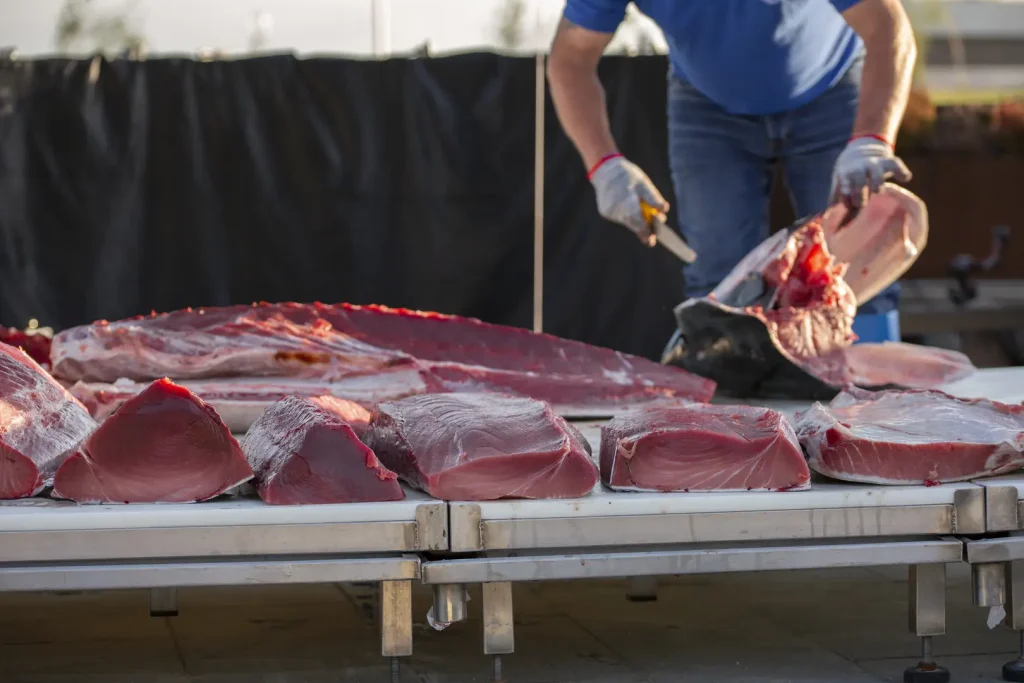
On May 13th, at Dani Brasserie in the Four Seasons Hotel Madrid, a very special event took place: the ronqueo of almadraba bluefin tuna. For those unfamiliar with the term, ronqueo is the traditional technique used to professionally cut and break down a tuna, extracting every usable part with care and respect. This demonstration brings people closer to the product, highlighting the importance of origin, quality, and technique behind a great tuna dish.

Almadraba bluefin tuna is one of the most prized ingredients in Spanish and Mediterranean cuisine. Almadrabais a traditional and sustainable fishing method used on the southern coasts of Spain to catch tuna. That’s why the arrival of an almadraba tuna at a restaurant like Dani Brasserie is such a significant event.

The ronqueo process, step by step

On the day of the event, the restaurant was set up to welcome a large tuna. Dani García, alongside the team from Gadira, guided attendees through every step of the ronqueo, from positioning the tuna to making the most delicate cuts. Ronqueo is not just about cutting; it’s about understanding the anatomy of the tuna to extract each piece in the best possible way.

During the demonstration, guests observed how the knife moved with precision to make clean, perfect cuts, wasting nothing. They learned that in a proper ronqueo, nothing goes to waste: lesser-known parts are used in stews, preserves, or broths, maintaining respect for the product and promoting sustainability.

The importance of ronqueo in gastronomy

Ronqueo is much more than a cutting technique; it’s an art form that is deeply rooted in Spanish culinary culture. Knowing how to properly break down a tuna allows chefs to make the most of every part and honor the quality of the product.

This event at Dani Brasserie showcased how knowledge and tradition come together to create outstanding dishes. Furthermore, the ronqueo technique is essential to preserving the flavor and texture of the tuna—key elements for both chefs and diners.

Events like this also bring people closer to real gastronomy, helping them understand what lies behind each dish and appreciate the work involved. Sustainability and respect for the product are becoming increasingly important, and ronqueo is a clear example of this.

Almadraba red tuna is one of the most prized treasures of the sea, and in the restaurants of chef Dani García, it is an essential ingredient, appreciated not only for its intense flavor but also for the unique properties that set it apart. One of those properties is collagen, a natural protein that plays a crucial role in the texture and juiciness of this fish. To ensure the highest quality, Dani García relies on Gadira, a supplier known for providing red tuna caught sustainably using the traditional almadraba technique.

The power of collagen in red tuna

Collagen is a structural protein found in the connective tissues of animals, including almadraba red tuna. This protein not only provides nutritional benefits but is also responsible for the juicy and firm texture that we so appreciate in this fish. However, to truly enjoy its juiciness, it is essential to cook tuna correctly. If cooked at too high a temperature, the collagen doesn’t have time to melt, which can leave the fish dry and chewy. To avoid this, it’s best to cook it slowly, allowing the collagen to melt and blend with the muscle fibers, creating a soft, juicy texture that melts in your mouth.

How to cook tuna to make the most of its collagen

To get the most out of the collagen in red tuna, it’s essential to follow certain cooking techniques. One option is tataki, a Japanese method that involves quickly searing the tuna at high heat and then cooling it, sealing the juices inside while maintaining a soft texture. Another approach is grilling, but always being careful not to overcook it so it doesn’t lose its natural juiciness. You can also opt for slow-cooked stews, where the collagen has time to fully melt, enhancing the flavor and texture of the dish. Gadira ensures that each piece of tuna retains these properties, guaranteeing an unparalleled culinary experience.

Benefits of red tuna collagen beyond flavor

In addition to enhancing texture, red tuna collagen also offers multiple health benefits. This protein is known for improving skin elasticity, strengthening joints, and promoting bone health. So, when you enjoy a plate of red tuna at Lobito de Mar, you’re not just savoring a marine delicacy, you’re also nourishing your body with essential nutrients.

El pasado 9 de mayo, Tragabuches Marbella se convirtió en el epicentro de la tradición gastronómica andaluza al acoger un evento que combinó dos de las técnicas más ancestrales de la cocina: el ronqueo de atún y el despiece de cerdo. Este evento no solo rindió homenaje a dos pilares fundamentales de la cocina mediterránea, sino que también acercó a los asistentes a la esencia de la cocina andaluza, donde cada corte y cada pieza cuentan una historia cargada de sabor y tradición.

El arte del ronqueo

De la mano de Gadira, el ronqueo del atún es una práctica que se ha perfeccionado durante siglos en las costas de Andalucía, especialmente en las almadrabas del sur. Esta técnica, que debe su nombre al sonido que produce el cuchillo al rozar la espina del atún, es todo un ritual que requiere precisión y destreza. Durante el evento, los asistentes pudieron presenciar cómo se despieza un atún de gran tamaño, siguiendo los pasos tradicionales que comienzan con la separación de la cabeza y continúan con cortes precisos para extraer las partes más nobles del pez, como el descargamento, el tarantelo, la ventresca y el lomo negro. Cada corte tiene su propio carácter y destino en la cocina, y es precisamente esta diversidad lo que convierte al atún en una joya gastronómica.

Además de ser una experiencia visual impresionante, el ronqueo es también una lección sobre sostenibilidad y aprovechamiento. Nada se desperdicia; cada parte del atún encuentra su lugar en la cocina. Es un recordatorio de cómo la gastronomía puede ser tanto arte como responsabilidad, reflejando el profundo respeto de los pescadores andaluces por el mar que les nutre.

El despiece del cerdo

Pero no solo el mar fue protagonista esa noche en Tragabuches Marbella. El despiece del cerdo de la mano de Cinco Jotas, una tradición profundamente arraigada en la cultura rural andaluza, también capturó la atención de los comensales. Este proceso es igual de meticuloso y respetuoso que el ronqueo, y su importancia en la cultura culinaria española es innegable. Desde los cortes más conocidos como el solomillo, el secreto y la presa, hasta partes menos populares pero igualmente sabrosas como la carrillada o el lagarto, cada pieza del cerdo tiene un propósito en la cocina y un lugar en las recetas tradicionales.

El despiece del cerdo es un arte que requiere conocimiento profundo de la anatomía del animal y una habilidad excepcional para aprovechar cada parte al máximo. Al igual que en el ronqueo, aquí también se valora el respeto por el producto y la tradición. Los asistentes pudieron aprender sobre los usos de cada corte y cómo cada parte del cerdo puede transformarse en platos únicos, desde embutidos artesanales hasta asados que se derriten en la boca.

Una experiencia gastronómica completa

Este evento en Tragabuches Marbella fue más que una simple exhibición de técnicas de corte. Fue una inmersión en la cultura gastronómica , donde el respeto por los ingredientes y la conexión con las raíces se sintieron en cada movimiento del cuchillo. Además, los chefs presentes aprovecharon la ocasión para crear platos únicos, combinando los sabores intensos del atún de almadraba con la robustez del cerdo ibérico, creando así una sinfonía de texturas y sabores que rindió homenaje a ambos animales.

Para muchos de los asistentes, esta fue una oportunidad única para comprender el verdadero significado del respeto al producto, la importancia del origen y la magia de transformar ingredientes en experiencias inolvidables. En un mundo cada vez más desconectado de sus raíces culinarias, eventos como este en Tragabuches Marbella son esenciales para mantener viva la tradición y recordar que, en la cocina, cada corte cuenta una historia y cada plato es un reflejo de la cultura que lo crea.

Subscribe

By subscribing to this email you will live the GDG experience beyond the table.